Reading the Room: Nine Table Manners That Matter at Asian Casino Games

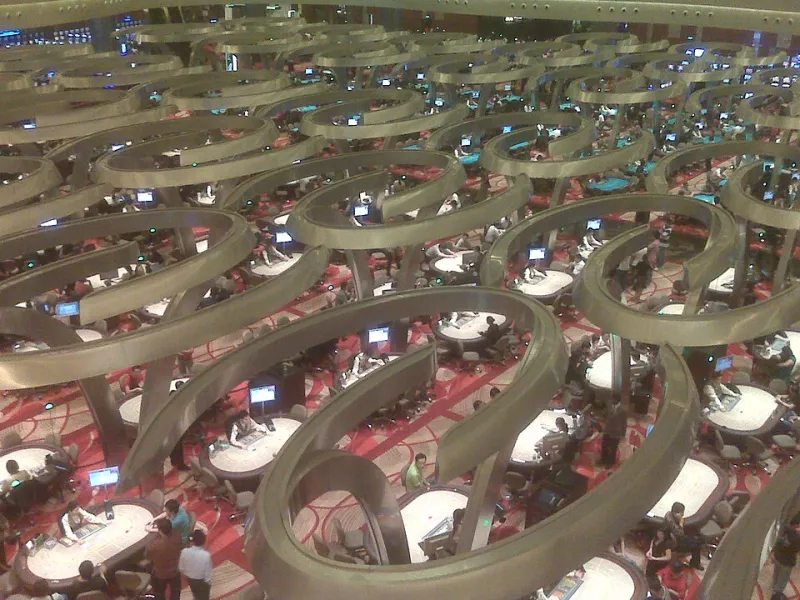
Photo: Asian casino baccarat table dealer players chips etiquette, via i.pinimg.com
American players usually learn the math of baccarat or sic bo before they learn the mood of the room. That is understandable. The rules are published; the etiquette is absorbed. At Asian-facing tables, a few quiet habits can make the difference between looking like a tourist and looking like someone who belongs. None of this is universal. A Macau VIP room, a Manila resort floor, and an online live-dealer studio do not share one rulebook. But the cues below show up often enough that they are worth knowing before you sit down.
1. Wait for the dealer’s signal
At baccarat, the shoe and the cards are not a free-for-all. Wait until the dealer invites you to cut, touch, or place a bet. Reaching for cards in a game where the dealer handles everything can read as pushy. In sic bo, put chips down before the cutoff, not while the dice are in the air. If you are unsure, watch one full round before joining. A few seconds of patience saves a lot of awkward correction.
2. Chips are not poker chips
In U.S. poker rooms, stacks get pushed around and players handle each other’s chips. At many Asian casino tables, chips are more formal. Keep your hands off another player’s stack, even to help. Do not toss cash onto the felt and expect the dealer to sort it mid-hand. Buy in between hands, and let the dealer count. If you want to color up, ask the dealer or floor person rather than helping yourself to the rack.
3. Tipping is a quiet transaction
Tipping norms vary wildly. In some rooms, a chip tipped after a win is normal. In others, dealers cannot accept certain tokens or cash directly. Watch what regulars do, then keep it modest. Do not make a show of tipping, and do not treat a tip as a request for a better card. A simple “for the dealer” when you place the chip is usually enough. If the method is unclear, ask the floor person privately.
4. Superstition is not an invitation to coach
Players may avoid a certain seat, refuse to touch cards, or leave after a bad shoe. That behavior is personal, not a puzzle for you to solve. Do not tell someone which side to bet, do not grab their cards to “help,” and do not laugh at a ritual. In baccarat especially, the quiet rhythm matters. Loud advice from the end of the table reads as rude even when it is meant kindly.
5. Keep your hands visible and still
Pointing at a bet is usually fine. Snapping fingers at a dealer, waving chips in the air, or tapping the felt impatiently is not. In live-dealer online tables, the same idea applies through the camera: no sudden gestures near your chips, no repeated clicking, no trying to get the dealer’s attention while another player is mid-decision. Calm hands signal that you understand the table is shared.
6. The dealer is a referee, not a bartender
Dealers keep the game moving. They are not there to fetch drinks, settle personal arguments, or listen to a full breakdown of your bad beat. Be polite, use please and thank you, and save complicated questions for a break in the action. Flirting hard or calling the dealer “buddy” every hand can land differently than it would at a U.S. casino. Friendly is fine; familiar is not always welcome.
7. Buy-ins and limits are public business
Do not flash a roll of cash or announce what you are willing to lose. Ask the floor person about table limits and buy-in rules away from the felt if you can. At some tables, a mid-shoe buy-in is fine; at others, it disrupts the flow. Let the dealer place your chips in the rack and tell you when you are in action. Quiet competence beats a big entrance.
8. Silence can be respect
Baccarat tables can be social, but they can also be quiet. Read the room before you start narrating every result. A modest celebration after a win is normal; a loud high-five with a stranger may not be. If you are playing online, keep your microphone muted unless the table is clearly chatty. The same rule applies in both settings: match the energy around you before you raise it.
9. When in doubt, ask the floor, not the internet
Asian casino etiquette is regional, and house rules change. The safest move is to ask a supervisor a direct, low-stakes question before you bet: “Should I wait for the dealer?” or “Is tipping done with chips here?” Most floors would rather answer than correct you later. Do not assume a U.S. casino habit travels unchanged. The table will usually tell you what it expects, if you are willing to listen.
At King88 T2, we cover rules because rules matter. But manners are part of the game too. You do not need to memorize a culture to sit down respectfully. You need to slow down, watch the room, and ask when you do not know. That approach works from a baccarat shoe in Manila to a live-dealer table on your laptop.